

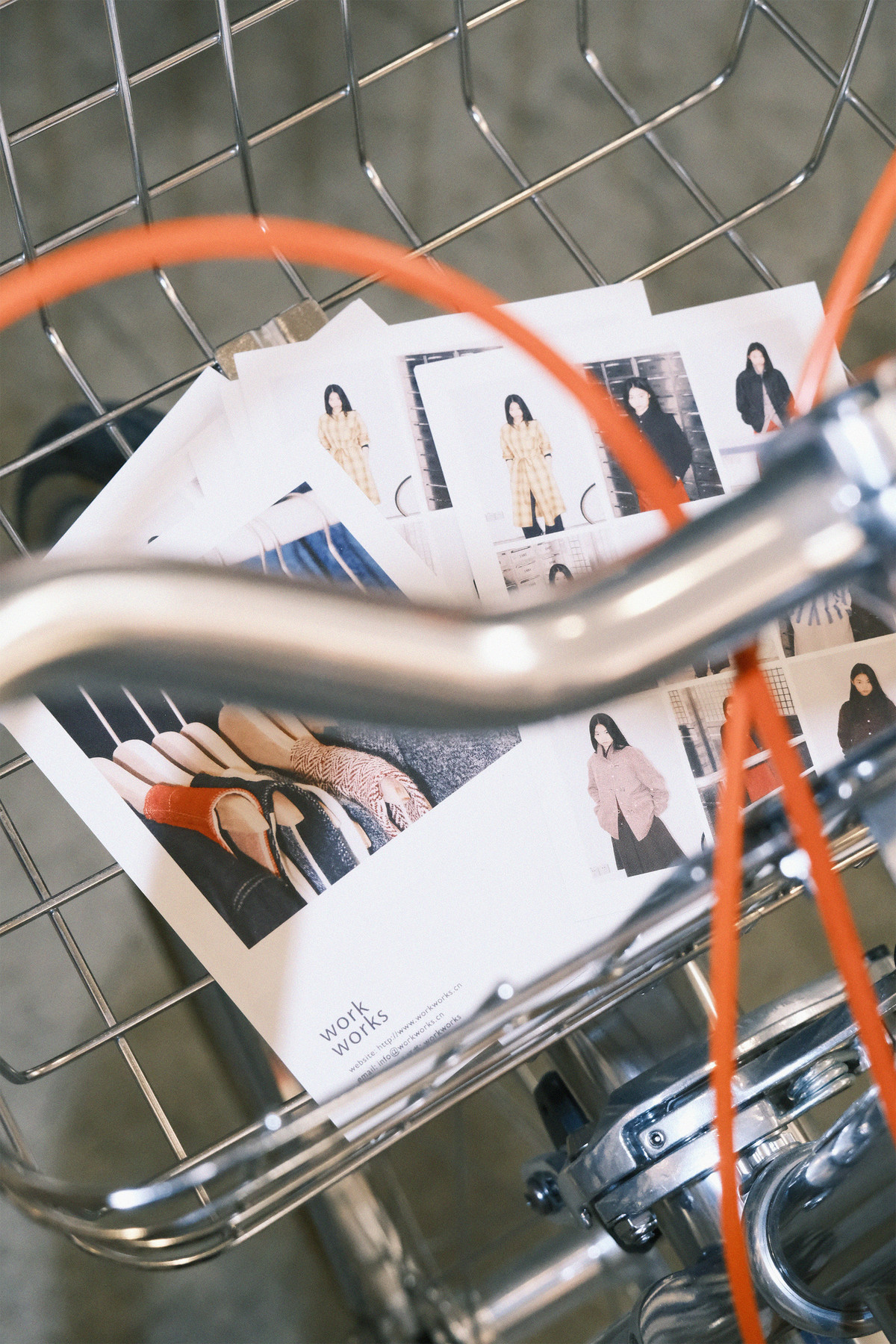
THE NAME
We chose the name workworks because we don't want the process to disappear behind the result. To us, how a garment is made matters just as much as the garment itself.
The name reflects the way we approach design. Inspired by workwear, we believe good clothing begins with use.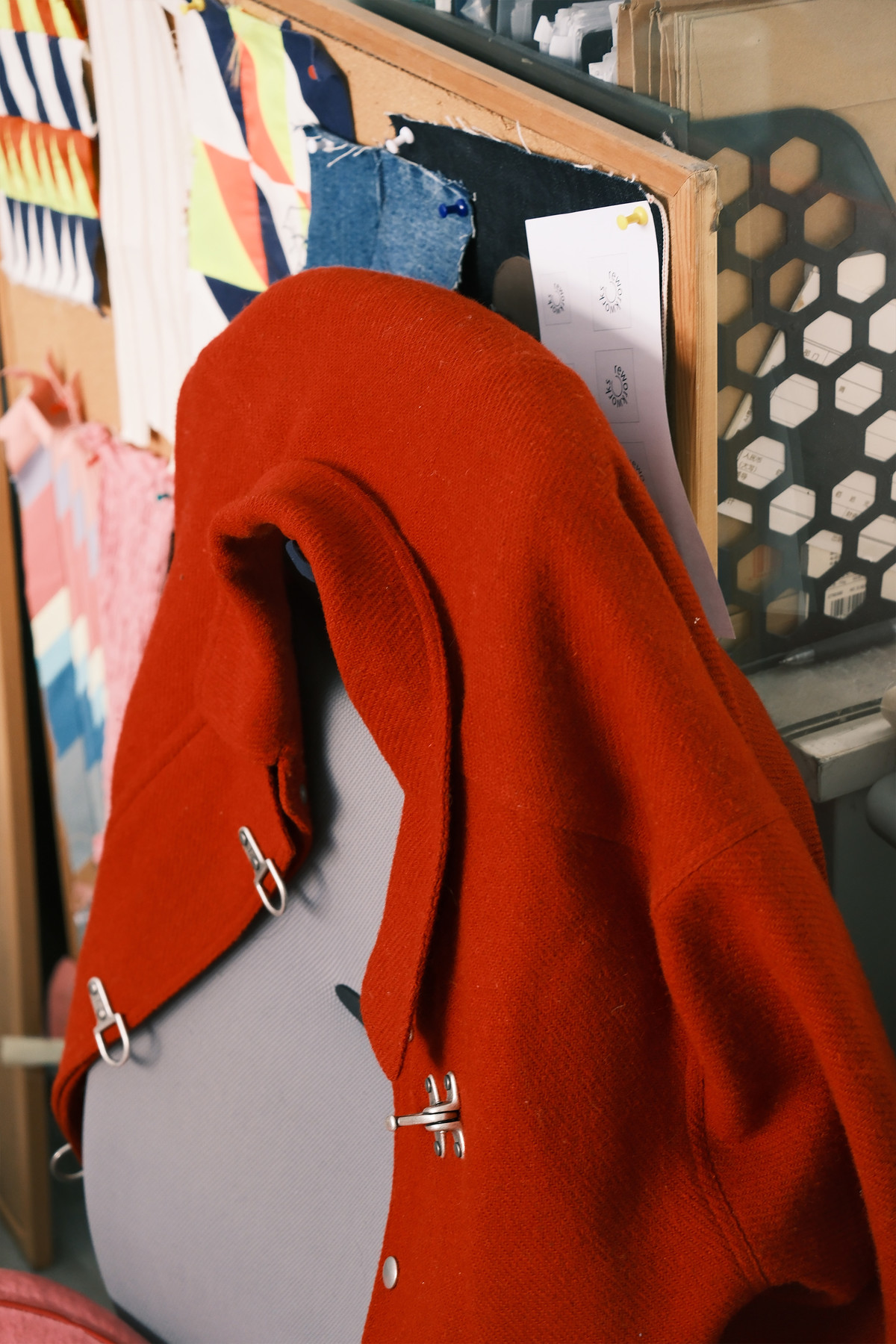
THE BEGINNING
Founder and designer Shu Yao trained in menswear and tailoring in Nottingham and London. The training introduced her to a design approach rooted in structure, proportion and construction. As an Asian woman, she brings a softer, more relaxed perspective to those traditions.
After graduating, she returned to her hometown of Shanghai and established workworks. The studio began with commissioned projects, including chef's uniforms, aprons, homeware and gardening products. Each project began with a practical need and the people it was designed for. Those early commissions shaped the way we think about clothing and objects—not as statements, but as everyday tools.
Today, the studio is based in a quiet residential neighbourhood, just a short bike ride from home. Shanghai's hot, humid summers, cold, damp winters and changing seasons continue to influence how we think about comfort, function and everyday wear.

THE CLOTHES
We like clothes that feel honest and approachable. Relaxed and easy to wear, they ask very little of the body and fit naturally into work, movement, rest and everyday life. They are meant to be worn in each person's own way, becoming a quiet part of daily life rather than its focus.
Workwear has always interested us because it begins with use. It is shaped by function, the body and everyday life. workworks keeps that clarity and practicality, while introducing softer proportions and a softer perspective on workwear. We hope these clothes are worn often rather than kept away.
THE MATERIALS
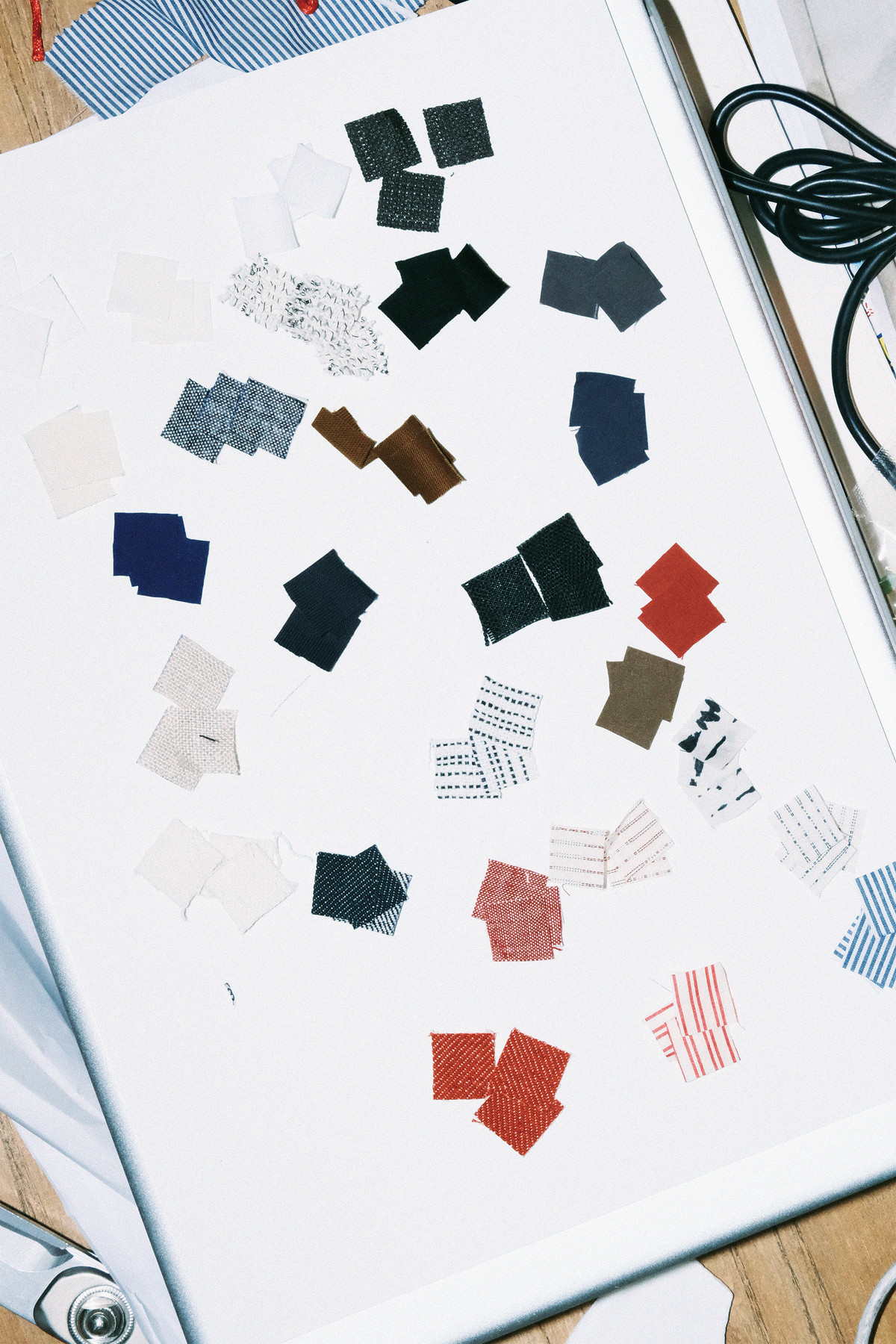
Natural fibres are at the heart of workworks. We continue to learn from cotton, linen and wool. Changes in yarn, weave and finishing can transform the character, weight and surface of a fabric. We select our materials carefully and build long-term relationships with the people who supply them.
We are drawn to materials that age honestly. They are not meant to stay new. They soften, crease, wear and change through use. We see these changes as part of the fabric's life, not something to be hidden. Materials we often work with include Japanese sun-dried cotton, selvedge denim, Merino wool and Harris Tweed.
We also source deadstock fabrics from warehouses and suppliers. Many are available only in limited quantities and cannot be reordered, so some pieces are made in small batches.
THE MAKING
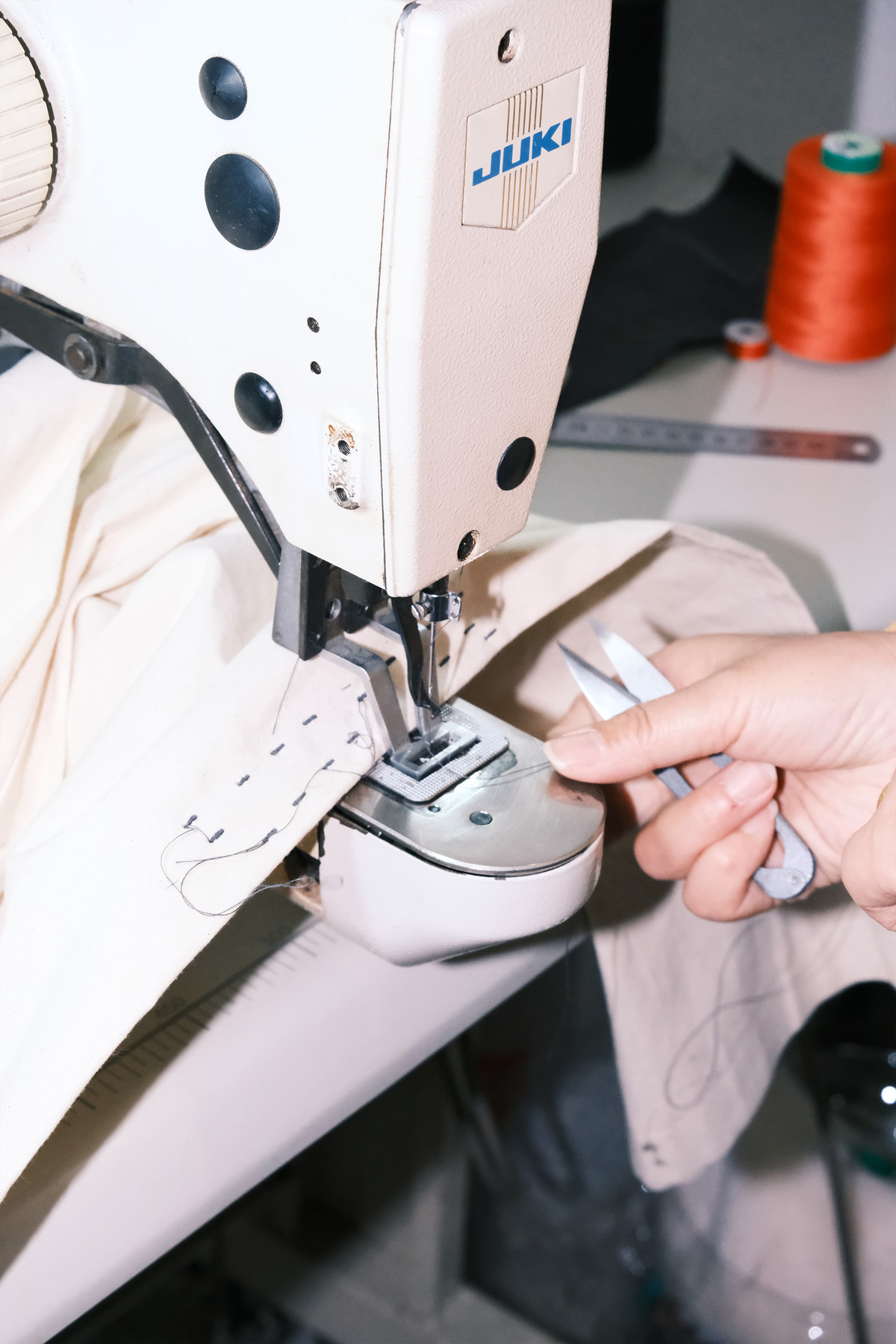
workworks is a small independent team. Every garment is designed and made in Shanghai. We work closely with four small workshops, each specialising in different categories of garments, including jackets, shirts and knitwear. They are all located on the outskirts of the city, within an hour of our studio. We know every pair of hands involved in making each garment.
For us, making is part of the design process. From pattern cutting and sampling to fittings and production, we stay involved throughout. We also work to reduce waste at every stage.
Made in China is often associated with speed, scale and low cost. Our experience tells a different story. We have found precision, skilled hands and the patience to make each garment well. It is a different side of Made in China.
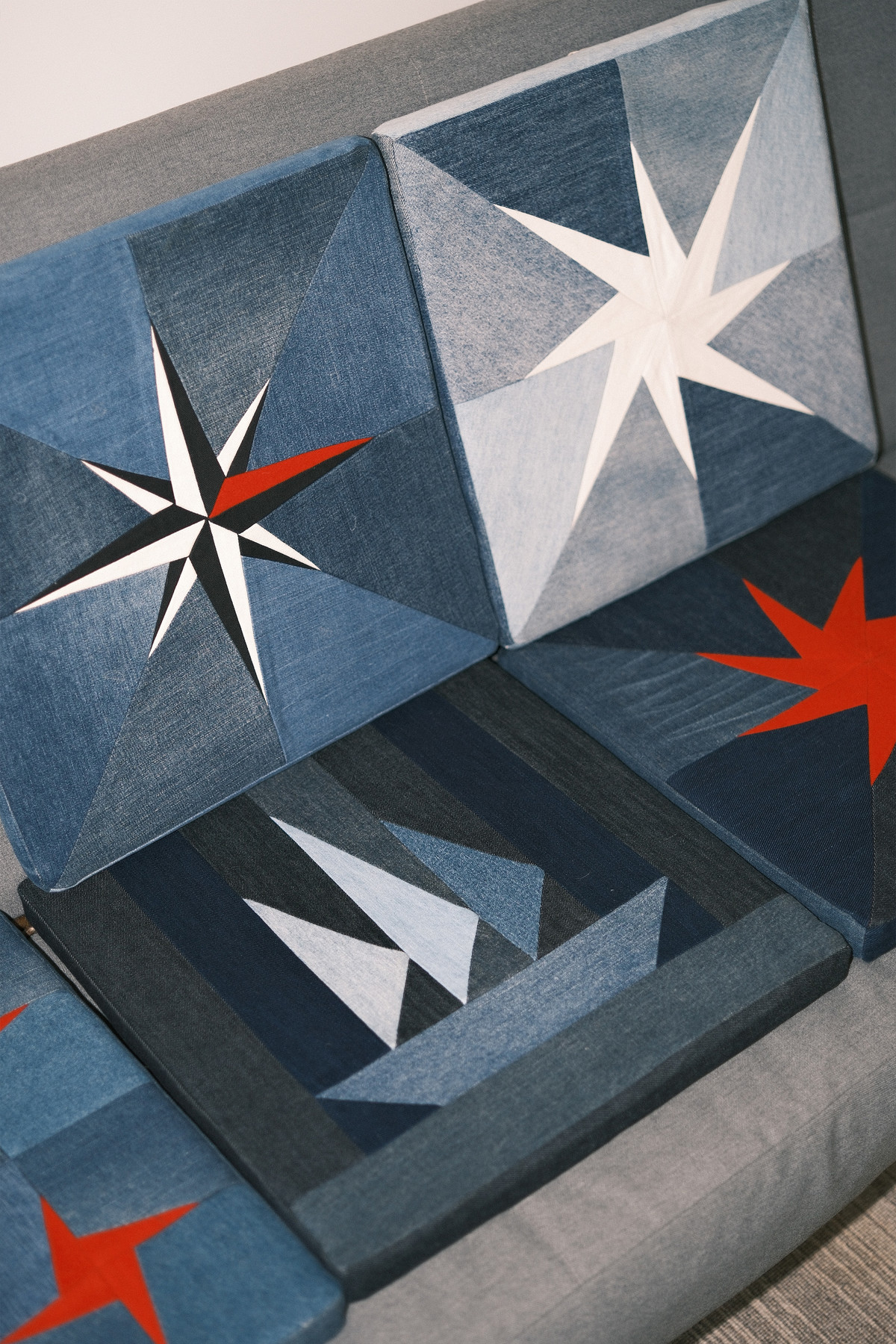
REWORKWORKS
Reworkworks is an upcycling project by workworks. It begins with old garments, reclaimed fabrics, studio offcuts and deadstock, using cutting, patching and reworking to bring existing materials back into use. Signs of wear, fading and irregularities are kept as part of each new piece.
The size, colour and condition of the materials determine each piece, which means most Reworkworks garments are made as one-offs or in small batches. In many ways, the project returns to the idea behind the name workworks: what has already been made can be reworked, becoming something else.

